
The evolution of casinos and their influence on cultural identity
The history of casinos dates back to ancient civilizations, where games of chance were often linked with religious rituals and social gatherings. The earliest known casino-like establishments emerged in Venice, Italy, during the 17th century, attracting the elite and making gambling a fashionable pastime. This marked the beginning of a long relationship between gambling and cultural identity, as these establishments became cultural hubs, reflecting the values and aspirations of their societies. Today, platforms like Prime casino illustrate how online gaming adapts this rich tradition for modern players.

Over the years, casinos evolved in response to changing social norms and economic conditions. The rise of the Industrial Revolution brought about new leisure activities, and casinos began to thrive in cities like Monte Carlo, where they transformed into glamorous venues synonymous with luxury and opulence. Such transformations influenced cultural identities, as casinos began to embody the spirit of the age, acting as symbols of wealth, sophistication, and modernity.
As casinos spread across the globe, their influence on culture intensified. The establishment of Las Vegas as a gaming capital in the mid-20th century marked a significant milestone in this evolution. Las Vegas casinos not only provided entertainment but also redefined the American Dream, where the glitz and glamour offered visitors a chance to escape reality. This shift highlighted how casinos became intertwined with cultural narratives, impacting societal values around risk, reward, and entertainment.
Casinos are more than just places to gamble; they serve as cultural landmarks that represent the identity and values of their locations. For example, in many indigenous cultures, gambling has deep historical roots, often linked to traditional games that foster community bonding and social interaction. This cultural significance leads to unique gaming practices that are rich with tradition, allowing casinos to preserve and promote cultural heritage.
In regions such as Macau, casinos reflect a blend of Eastern and Western influences, showcasing unique architectural styles and gaming traditions. The integration of local culture into casino design and operations allows these establishments to resonate with both local residents and tourists, reinforcing a sense of identity that transcends mere gambling. This cultural fusion shapes perceptions and expectations of gaming experiences, highlighting the role of casinos as cultural custodians.
Furthermore, the influence of casinos extends into popular culture, with films, music, and literature often depicting casinos as glamorous yet risky environments. This portrayal shapes societal attitudes toward gambling and the associated lifestyle. The representation of casinos in various media forms has also sparked discussions about morality, risk, and the complexities of human behavior, thereby enriching cultural identity through narrative and imagery.
As the casino industry continues to evolve, a growing emphasis on social responsibility has emerged, reflecting broader cultural shifts toward ethical consumption and community engagement. Modern casinos are increasingly acknowledging their role in promoting responsible gambling practices to mitigate the potential negative impacts of gambling. This includes implementing measures such as self-exclusion programs and educational initiatives to raise awareness among players.
The integration of technology into gaming has also influenced responsible gambling efforts. Online casinos now utilize sophisticated algorithms to monitor player behavior, helping identify patterns that may indicate problematic gambling. This proactive approach not only protects players but also fosters a culture of safety and awareness, reflecting changing societal attitudes towards gambling. By prioritizing responsible practices, casinos are redefining their cultural impact and positioning themselves as community-focused entities.
Moreover, many casinos are beginning to contribute to local economies and support social causes, further intertwining their identities with community values. By investing in local development and promoting responsible gaming, casinos can enhance their cultural relevance while combating the stigma often associated with gambling. This dual commitment to responsible practices and community engagement helps shape a more positive narrative around casinos in contemporary culture.
The globalization of the casino industry has led to the exchange of cultural practices and gaming traditions across borders. As casinos have become more accessible through advancements in technology and travel, the diversity of gaming experiences has increased significantly. For instance, the rise of online casinos has introduced various cultural games to new audiences, fostering an appreciation for different gaming traditions and styles.
Furthermore, international casino resorts are often designed to incorporate local cultural elements, offering visitors a unique blend of global and local experiences. This phenomenon not only attracts tourists but also encourages cross-cultural exchanges, as individuals from different backgrounds come together to share their gaming experiences. The blending of cultures in casino settings promotes understanding and appreciation for global diversity.
However, this globalization also raises questions about cultural appropriation and the commercialization of traditional practices. As casinos adopt elements from various cultures, they must navigate the delicate balance of honoring traditions while appealing to a global audience. This challenge underscores the importance of cultural sensitivity in the casino industry, as operators seek to create inclusive environments that respect the rich tapestry of gaming heritage worldwide.
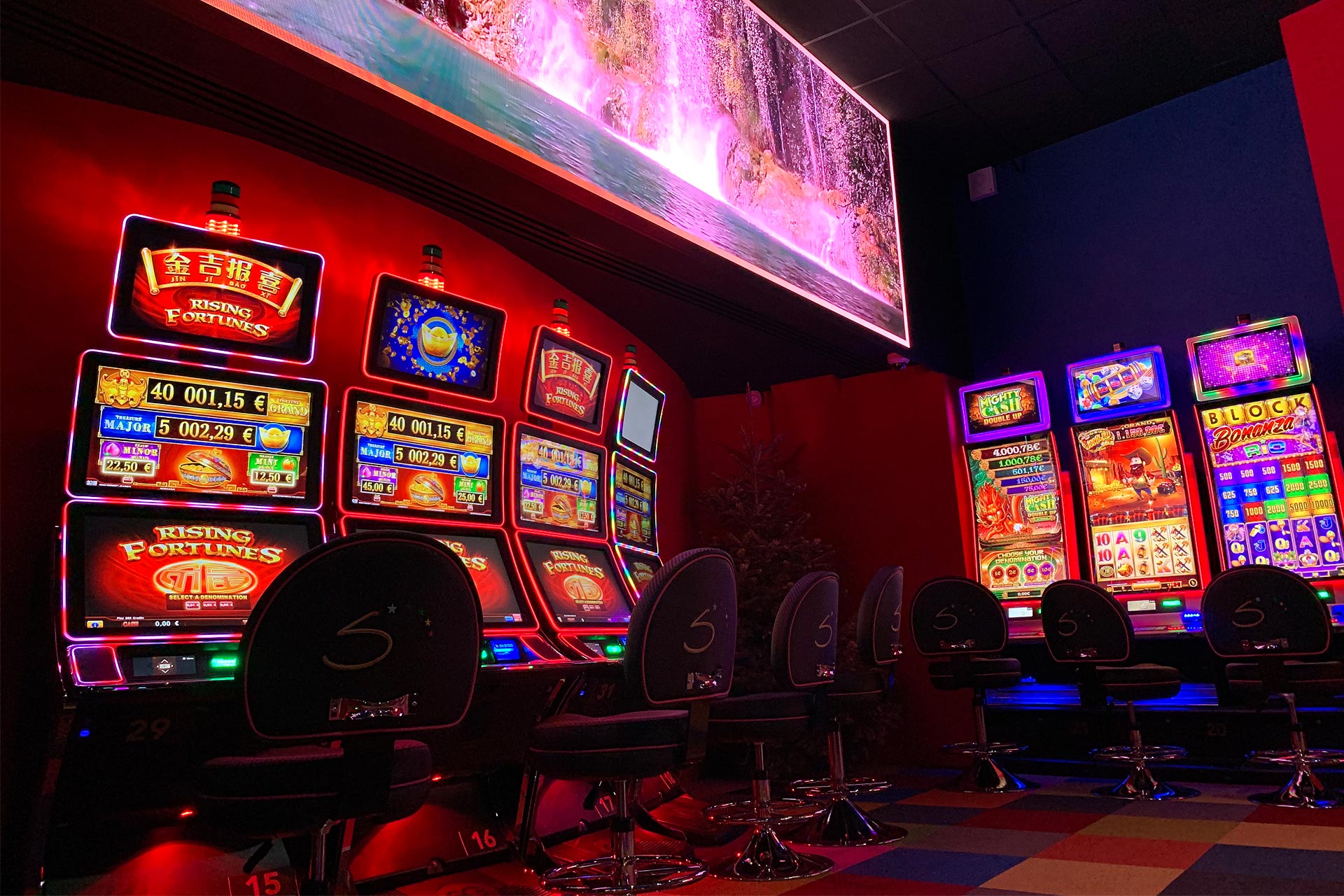
Prime Casino exemplifies how modern gaming platforms can evolve while prioritizing cultural engagement and responsible practices. With an extensive library of over 7,000 games from top software providers, Prime Casino offers players a diverse range of gaming experiences, reflecting various cultural influences. This diversity enriches the player experience and fosters an appreciation for different gaming traditions.
Moreover, Prime Casino operates under the regulations set forth by the UK Gambling Commission, ensuring a safe and secure environment for players. Their commitment to responsible gaming is evident through the implementation of various safety measures, such as self-exclusion options and educational resources. By prioritizing player welfare, Prime Casino positions itself as a responsible member of the gaming community, aligning its identity with positive cultural values.
Through its loyalty program and attractive welcome bonuses, Prime Casino fosters long-term relationships with players, creating a sense of community among users. This approach not only enhances player engagement but also contributes to the casino’s cultural relevance in the online gaming landscape. As the industry continues to evolve, Prime Casino remains dedicated to promoting responsible gambling practices and cultural engagement, ensuring its influence on cultural identity endures.
Get started with a free quote
We have made a difference to more than half-a-million people by empowering their lives through our quality products and services. The choice is obvious…


